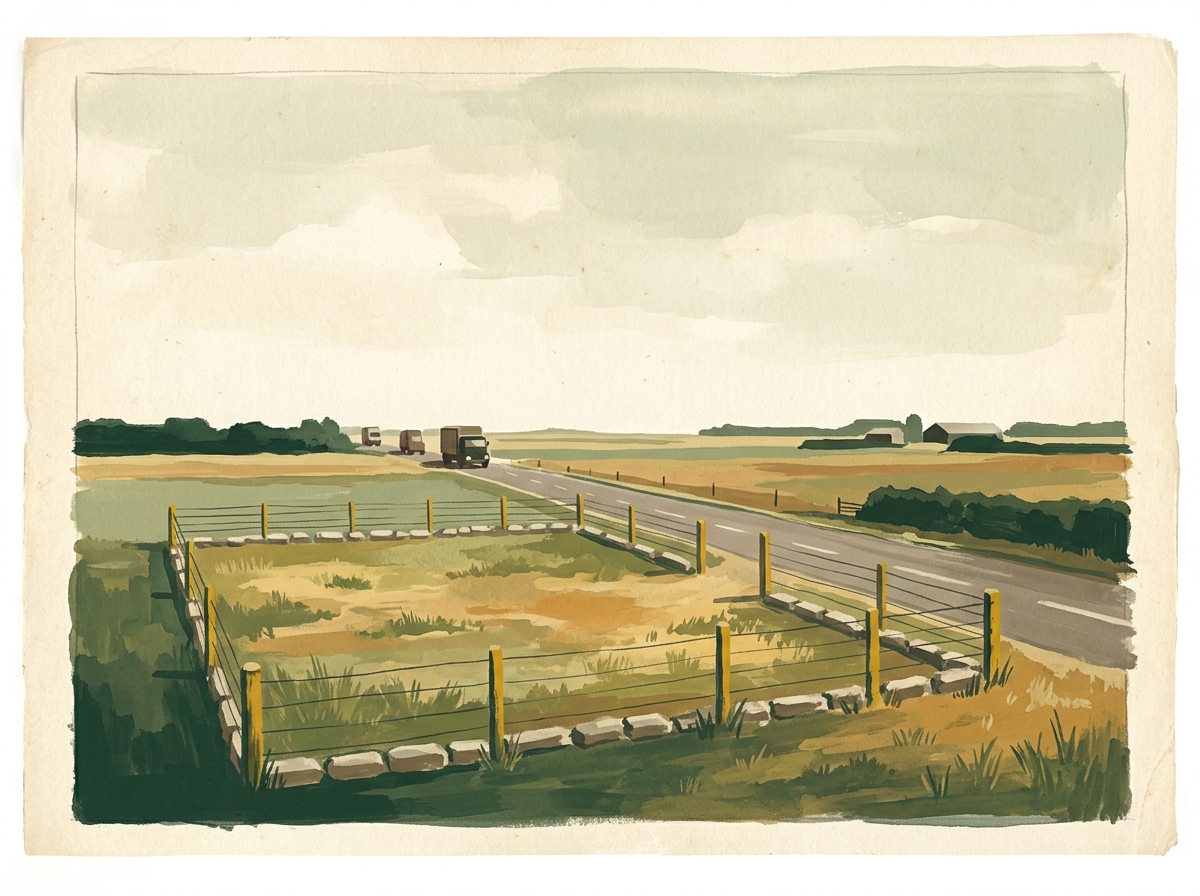
Ask anyone about what determines land value, and you will hear this answer resoundingly:
"Location, location, location."
Next to the market complex. Just 30 meters away from the 100-foot road. Inside a premium gated society.
No one is wrong. Location is undoubtedly a massive part of land pricing. But something else quietly influences land prices from behind the scenes, completely hidden from plain sight.
It is certainty.
Buyers are not actually afraid of the land. They are afraid of what they cannot see:
- Has someone encroached on this land before?
- Was there some structure on this land in the past that I should be aware of?
- Is someone cultivating it silently?
- Has there been a boundary dispute with the neighbor?
If anything like this crops up after the purchase, everything becomes utterly painful: courts, police stations, the Tehsil office, pleading, anger, and frustration, even if you are 100% legally in the right.
Buyers, while purchasing, deal with a persistent anxiety: "I don't know the ground truth." In fact, most remote landowners experience the exact same anxiety too: "I don't know what is happening to my land on the ground."
While the government provides all kinds of land records, such as revenue registers, registered deeds, and encumbrance certificates, it critically misses one crucial component: the actual ground truth.
Yes, the physical ground truth.
- Is the land encroached upon right now?
- Was it encroached upon in the past?
- Was there a structure (legal or illegal) standing on it before?
- Has the physical boundary shifted over the years?
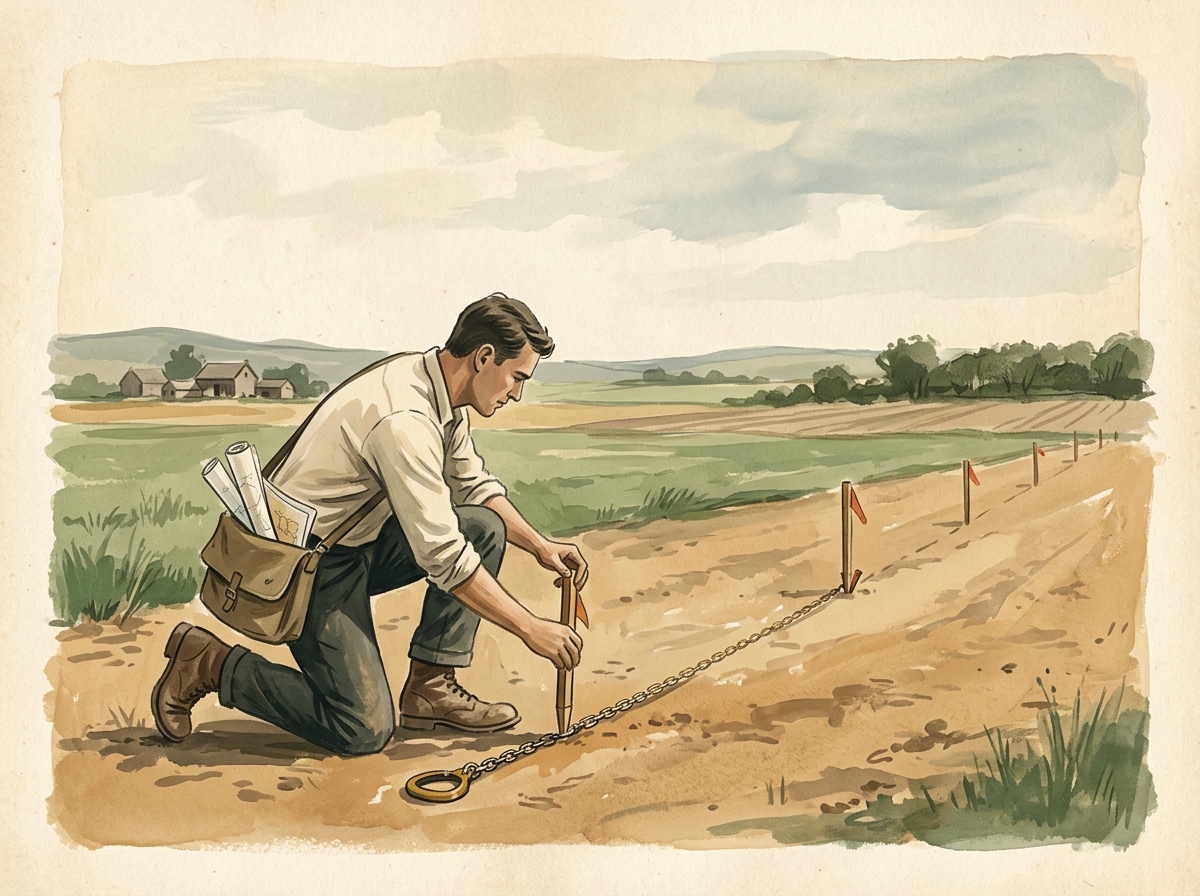
Government records track legal events: buying, selling, mortgages, and partitions. But they rarely capture what happens physically between those events.
This gap creates uncertainty. And uncertainty leads to doubt and delays. We have all seen this: a good piece of land offered at a discount immediately raises suspicion. "Something must be wrong with that plot," we think, even when nothing actually is.
That is the primary friction of the land market. Even if the location is exceptional, uncertainty kills deals and adds to the landowner's anxiety.
What is glaringly missing in the land market is a Land Ground History Report. No opinions, just documented physical ground truth collected periodically by a neutral third party, similar to the vehicle service history report that comes in handy when buying a used car:
- Photographs and videos of periodic land inspections.
- Field notes from boundary verification checks.
Most buyers would prefer a plot that is 100 meters away from the main road if it comes with the last 10 years of a clean "Land Ground History Report" proving no encroachment, over a plot that is just 30 meters off the highway but has zero visibility into its physical past.
History builds confidence. Confidence builds value.
Land works the same way. Location creates potential, but certainty creates real financial value.
Land deserves a simple Ground History Report:
- Periodic ground inspections.
- Boundary checks for encroachment.
- Timed photographs and detailed field notes.
Just consistent, repetitive, manual work. A chronological document that stores the physical truth of the land over time.
Owners, as usual, rarely have the time, energy, or local presence to do this mundane job. They just hope that their land is safe. As a result, the physical ground truth becomes a casualty, ignored by the government and landowners alike.
Because in land transactions, the biggest gap is rarely the paperwork.
It is the ground truth.
Land problems do not come from the soil itself. They come from a lack of visibility, process, and consistent follow-through.