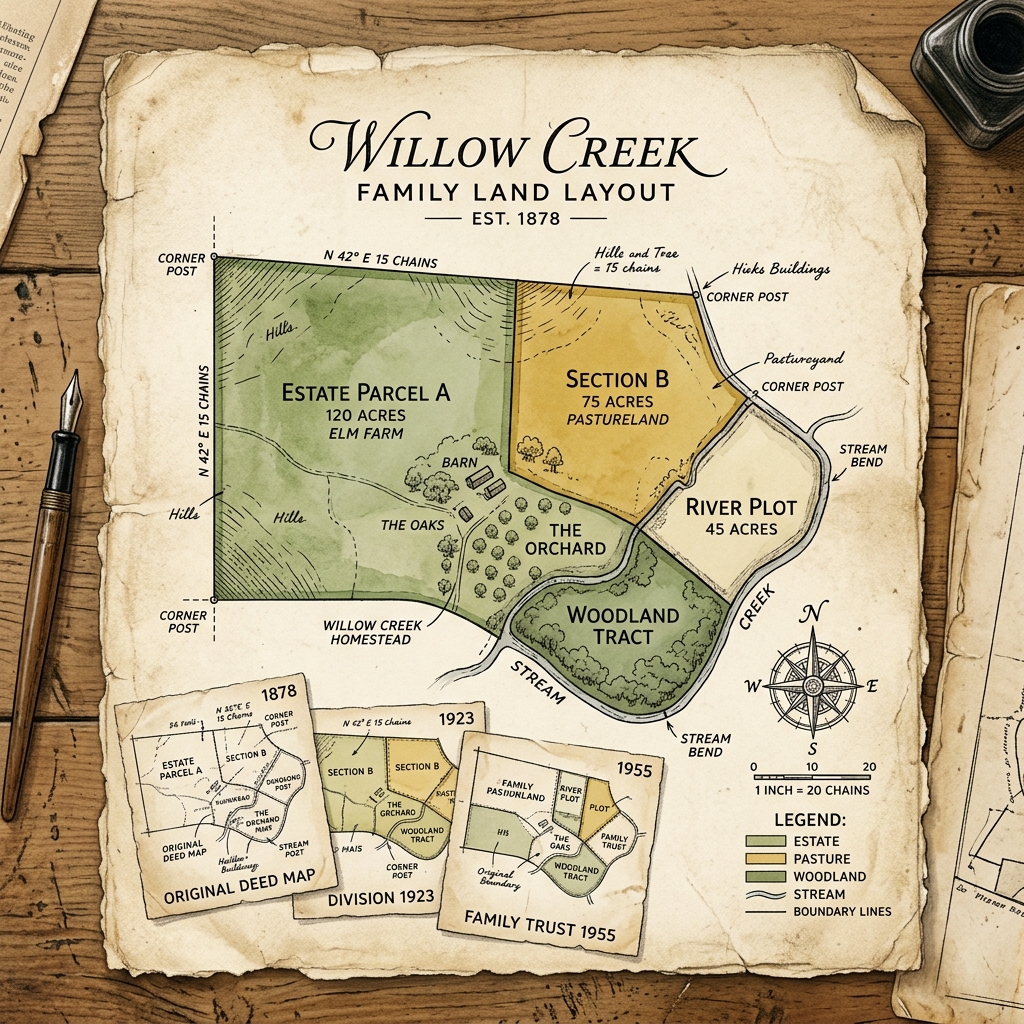
There is a very specific question that gets asked inside Indian families the moment some unexpected money arrives.
“Ek Plot Le Le?”
Not:
“Let’s diversify our portfolio.”
Not:
“Let’s evaluate long-term asset allocation.”
Just:
“Plot le lete hain.”
And suddenly everybody is visiting dusty roads on the outskirts of the city.
A cousin knows a broker.
An uncle “has a feeling” that area will develop soon.
Someone points at empty land and confidently says:
“Yahan highway aane wala hai.”
Nobody fully knows if the highway is actually coming.
Nobody has a proper plan for the land either.
No construction plan.
No business idea.
No timeline.
Still the purchase happens.
And honestly, this behavior makes perfect sense once you understand how many Indian families emotionally think about money.
Because idle cash makes people nervous.
Money sitting in a bank account feels temporary. Vulnerable. Too easy to spend. One medical emergency. One wedding. One struggling relative. One bad business year. Slowly the money disappears into normal life.
But land feels protected.
The moment cash becomes property, it psychologically exits the “spendable” category.
Now it has boundaries. Papers. A location. Somebody can physically go stand there and say:
“This is ours.”
That feeling matters enormously. Especially for families that spent decades building financial stability slowly and painfully.
And this is the funny part. Financial people online often mock these “random plot purchases” as unsophisticated investing. Dead money. Illiquid asset. Poor capital efficiency.
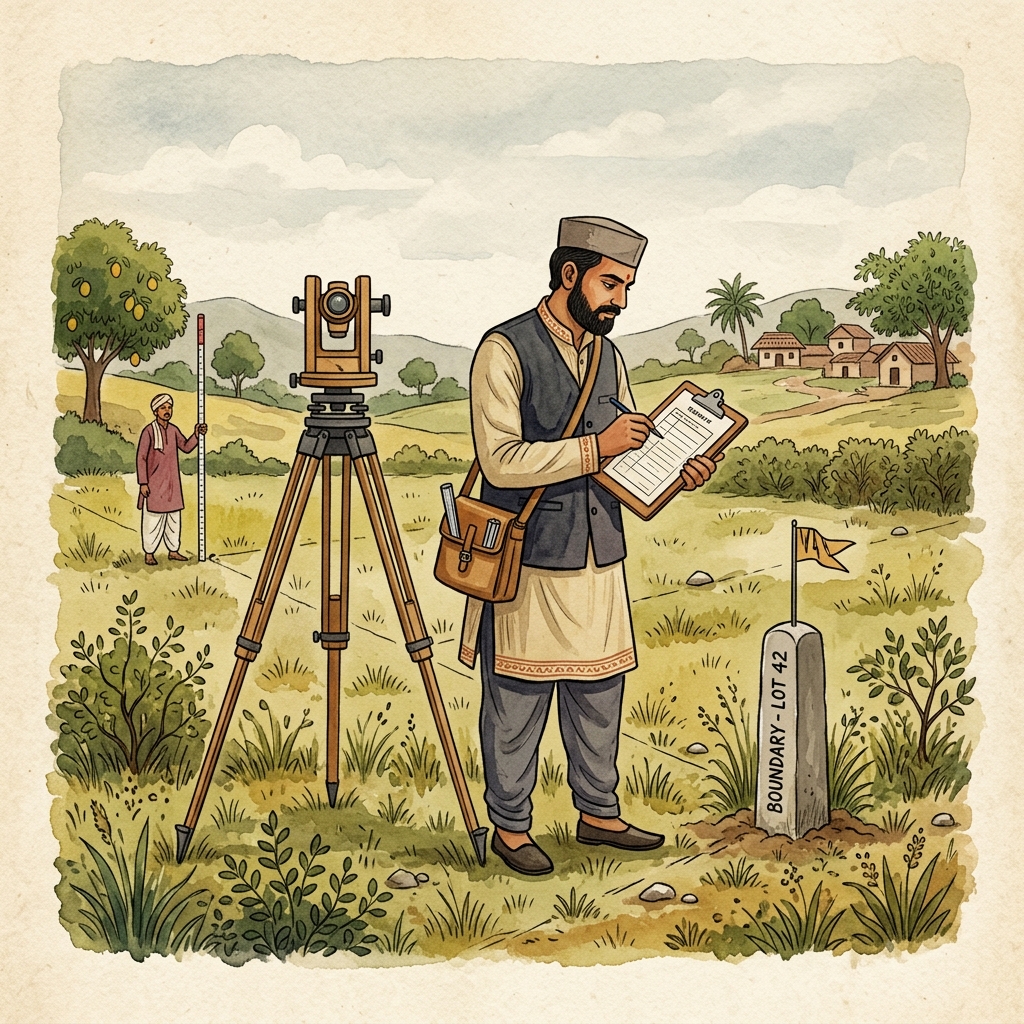
But many Indian families accidentally discovered something very important long ago:
Illiquid assets protect people from themselves.
The land cannot be panic-sold in one click. It cannot disappear because somebody suddenly wanted a new car or got emotional during festival shopping season.
The plot just sits there quietly for years while the family continues living life.
And over time, something strange often happens.
The city moves.
A road appears.
A school opens nearby.
An apartment project launches in the area.
Suddenly the “useless land” bought fifteen years ago becomes extremely valuable.
And now the same relatives who mocked the purchase start saying:
“Uncle had vision.”
He usually did not.
He just trusted land more than cash.
There is also another layer to these purchases that finance conversations rarely understand.
The family buying land without a plan is often not thinking about themselves.
They are thinking generationally.
Maybe the children build something there later.
Maybe somebody sells it during a future crisis.
Maybe it becomes collateral someday.
Maybe nothing happens for twenty years.
That is fine too.
For many Indian families, buying land is less about immediate return and more about preserving optionality for the future.
A very long-term form of financial optimism disguised as:
“Ek Plot le le?”