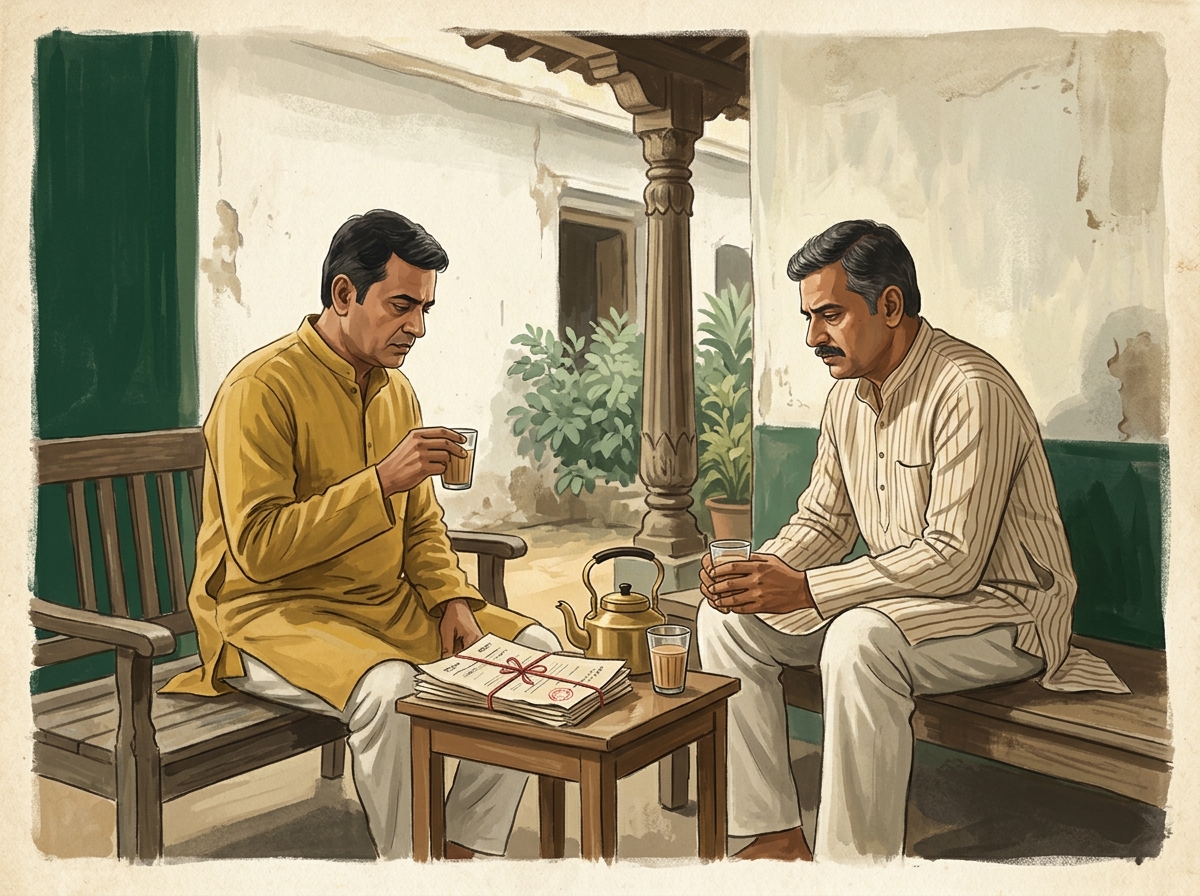
Almost every family in India has a land dispute story.
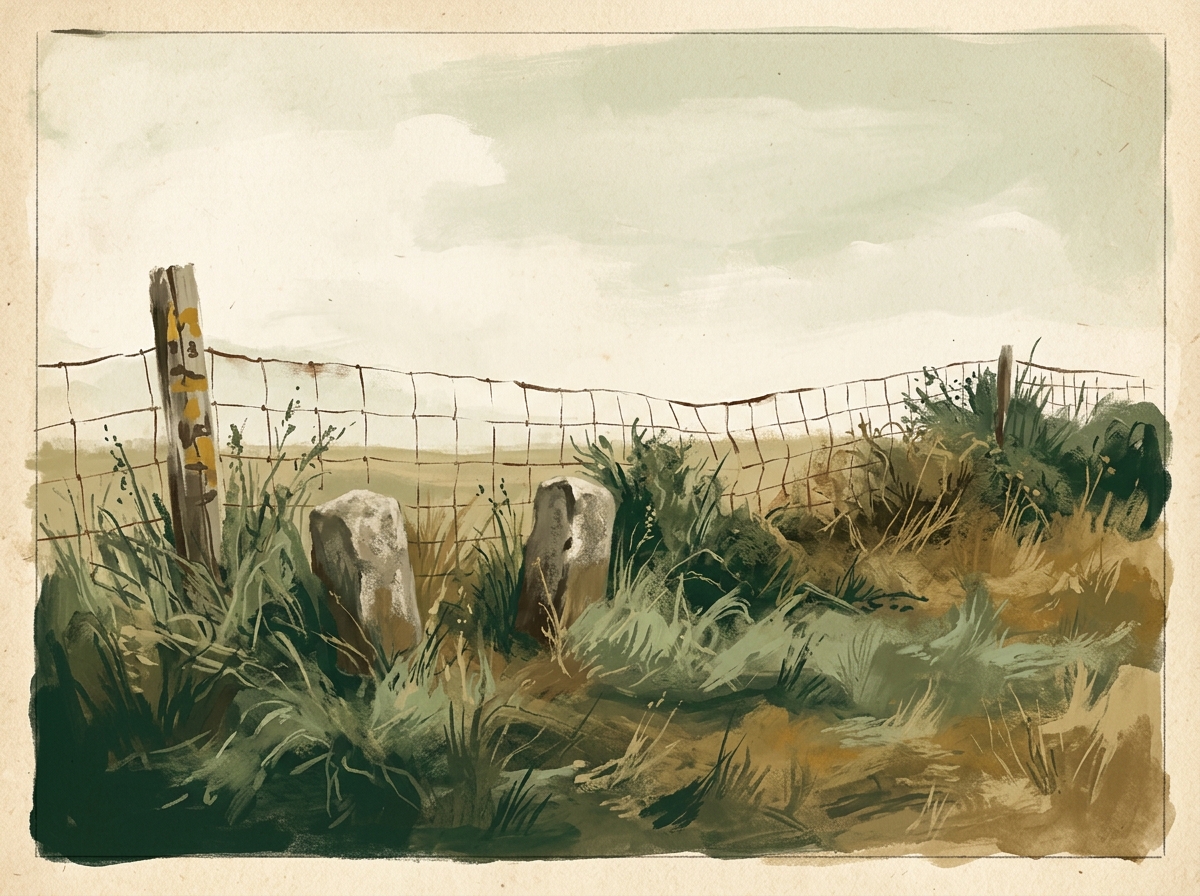
An uncle fighting with a cousin over ancestral land. A neighbor shifting the boundary stone silently by a few feet. A new claimant suddenly coming out of nowhere to challenge a sale.
Land and disputes feel like two sides of the same coin. So much so that the younger generation does not want to participate in land, and the older generation does not want to let go of old disputes. Land sits in the center of our lives, in our dreams and our broken family relationships.
But the more I dug into land cases, the more I noticed a pattern. A small number of predictable issues give rise to the vast majority of disputes. Most of them revolve around family equations and unrecorded promises:
- A family partition among siblings that happened over tea but was never put on paper.
- A seller who took a token advance from Buyer A, but sold the property to Buyer B instead.
- A boundary dispute with a neighbor because a formal survey and demarcation were not done before buying.
- Missing documents in the chain of title flow of the land.
- A series of sales where the registered deeds occurred, but mutation (the updating of revenue records) never took place.
- Legal heir issues: siblings fighting among themselves for inherited parcels.
If you look at how these disputes begin, nothing feels sudden or dramatic at the start. It is just small loose ends. Some procedural lapses, partly done in haste, partly out of ignorance, accumulate over time. Years later, they surface as active conflicts when you try to sell the land or build a home on it.
To the outside world, it looks like a sudden explosion. But in reality, the dispute had been quietly growing in the dark for years.
Many land disputes are like small cracks in a wall. If you don't repair them early, the wall eventually collapses. Land behaves the same way.
Land disputes are rarely inevitable. They are usually the result of accumulated neglect.
Which is why the most important part of land ownership is not the purchase transaction. It is what happens before and after the purchase:
- Checking historical documents.
- Updating mutations.
- Verifying physical boundaries.
- Making sure the paperwork matches the exact reality on the ground.
- Running a strict checklist.
- Fixing oversight issues at the earliest possible stage.
It is boring, administrative work. But it is necessary. Do this, and the chances of a dispute reduce significantly.
Property owners, as usual, rarely have the time or the skill to do this maintenance.
Most disputes do not begin in courtrooms. They begin in ignored folders. Some are about unresolved family dynamics, that is one category. Everything else is procedural: missing documents, unclear boundaries, and outdated records.
In other words: accumulated neglect. Small issues that were not fixed when they were small.
This is avoidable. This is addressable. And the cure is simple:
Fix early. Check often.
Remember, land is what is on the ground, not what is on paper.