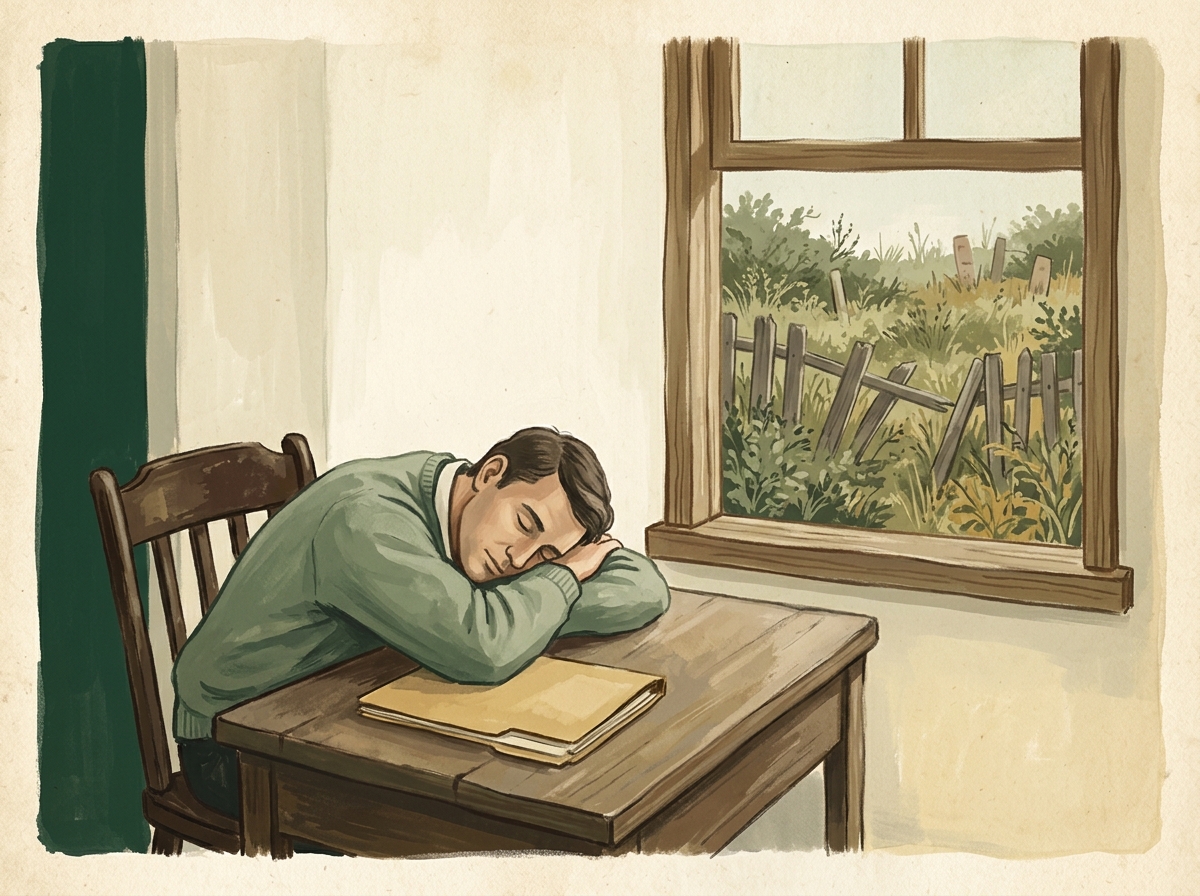
There are two ways most land ownership stories go.
The first is the happy (and rare) scenario: you bought or inherited a plot of land and sold it a few years later with bumper returns.
The second is the far more realistic scenario: you bought or inherited land, and then you slept on it like it was safely tucked away in your backyard. One fine day you decide to sell it, only to wake up to all kinds of rude shocks and administrative delays.
For most of us, land ownership feels like a one-time event:
- You buy the land.
- You register the sale deed.
- You put the physical documents in a safe file folder.
- And you mentally say: done.
For the next twenty years, the land quietly sits somewhere in the background of your life. Until one day, you suddenly need it. Maybe you want to sell it, build a house, or divide it among family members.
And then you open Pandora’s Box:
- A pending mutation that was never finalized.
- A boundary that was never properly demarcated.
- A legal heir from a previous sale who suddenly crops up out of nowhere.
- A neighbor who has been silently inching their fence inside your land.
- Government land-use changes that you had absolutely no clue about.
Small oversights, accumulating over the years, slowly start to feel like a mountain of legal trouble.
In that way, land is very different from other assets. Your stocks sit safely within your demat account. Your Fixed Deposit quietly matures inside your bank vaults. No noise, no maintenance.
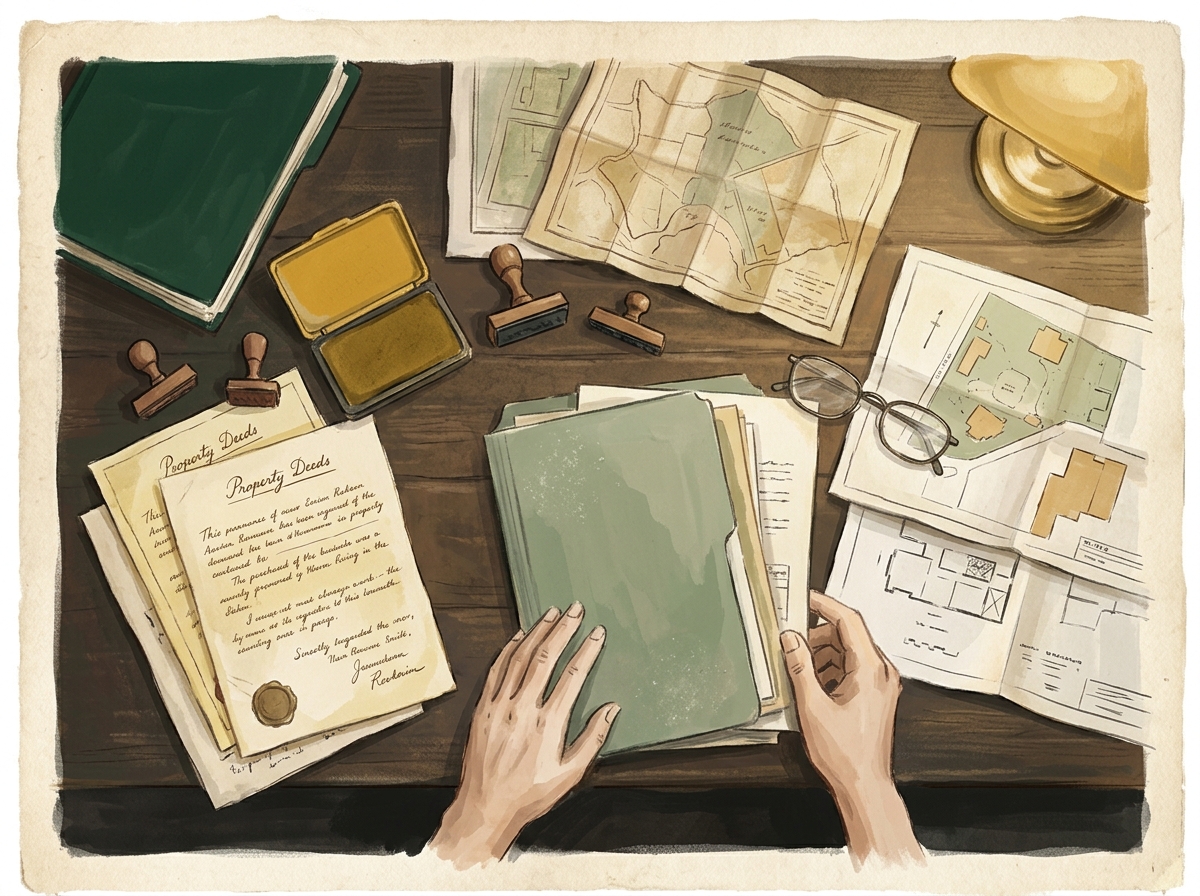
But your land lives in the real world. Records need updating. Boundaries need verifying. Changing government rules require compliance. Documents need periodic checking.
Which means owning land is not a one-time transaction. It is a continuous lifecycle.
And this is where most land owners struggle. The work required to keep land records clean is boring:
- Checking government records.
- Updating mutations.
- Verifying physical boundaries.
- Running a checklist every few years.
It is important work, but it is deeply boring work. So, most people postpone it until they absolutely have to deal with the land again, usually when they want to sell it. By then, the small loose ends have had decades to grow, transforming into massive problems that would have been trivial to handle early on.
Landowners shouldn’t have to wait twenty years to understand the state of their own land.
Fix early. Check often.
Land ownership is not a one-time transaction. It needs periodic attention. Buying land is only the beginning.