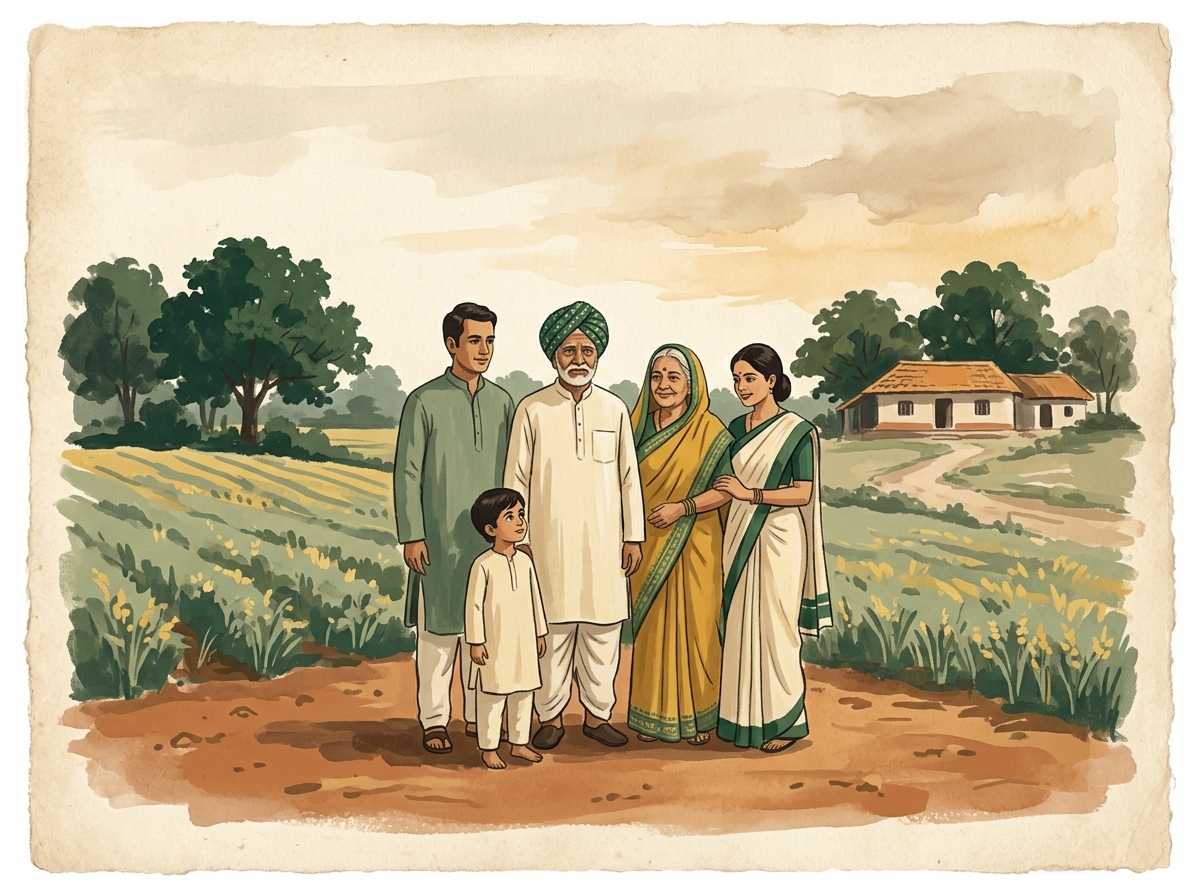
Note: The purpose of this article is not to suggest that you should buy land. If you can afford the money and time, experiencing the world through travel, working on a pet project, or pursuing a new degree is far more rewarding. This is for those for whom land is their "thing," and for those who wish to protect their generational wealth (both emotional and financial). If you ever decide to deal with land, our goal is simple: to see if we can take away a few risks and add a bit of peace to it. That's all.
Let me start with something important.
This article is not about convincing you to buy land.
If you have money and time, you may be far better off traveling the world, building something meaningful, or pursuing a degree that excites you. Land is not for everyone.
But for many Indians, land eventually becomes a part of life anyway. You inherit it. Just like your surname. Whether you want it or not.
And once it enters your life, you have to deal with it. Sometimes with pride. Sometimes with anxiety.
Land has a strange reputation. For some families, it created enormous wealth. For others, it created decades of disputes and stress.
So people form strong, absolute opinions:
"Nothing beats land." or "I never want to deal with land."
Very few people sit calmly in the middle.
But here is the interesting thing: most Indians will eventually deal with land in some form. A house, an apartment, farmland, or inherited property. And yet, most of us know almost nothing about it.
Ask people why, and the most common answer is simple:
"Land is very complex."
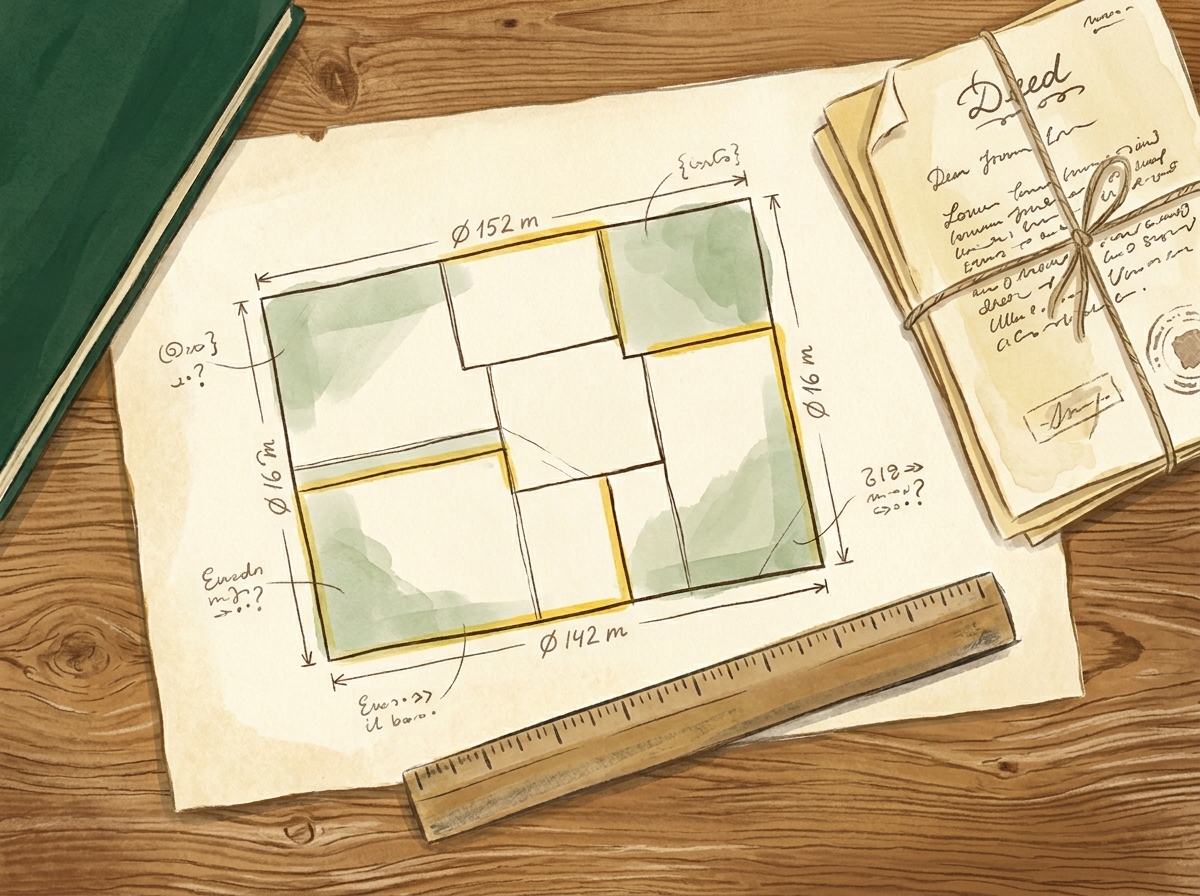
But that explanation never satisfied me.
Think about the other things we deal with in life. Stocks, mutual funds, health insurance, and life insurance. All of these involve documents, rules, and processes. None of them are simple. Yet millions of people participate in them.
Why?
Because they are familiar. We read about them. Friends discuss them. The media explains them. Over time, they stop feeling intimidating.
Land never got that familiarity. So we confuse unfamiliarity with complexity.
Land is not uniquely complex. It is simply a language most of us never learned.
Hindi sounds complicated to someone who grew up speaking Kannada. Kannada sounds impossible to someone from Delhi. But then you make a friend. And suddenly, a Sharma says "Vanakkam," and a Kannadiga says "Bhai."
That is the magic of familiarity.
Land works the same way. Once you understand the basic documents, the types of land, and the systems around it, it stops feeling mysterious. Not easy, but manageable. Just like everything else in life.
The goal is simply to make land familiar. Helping people understand the documents behind their property, manage what they own, and decide for themselves without pushing them toward land, just removing some of the fog around it.
Because when the fog clears, people make better decisions.