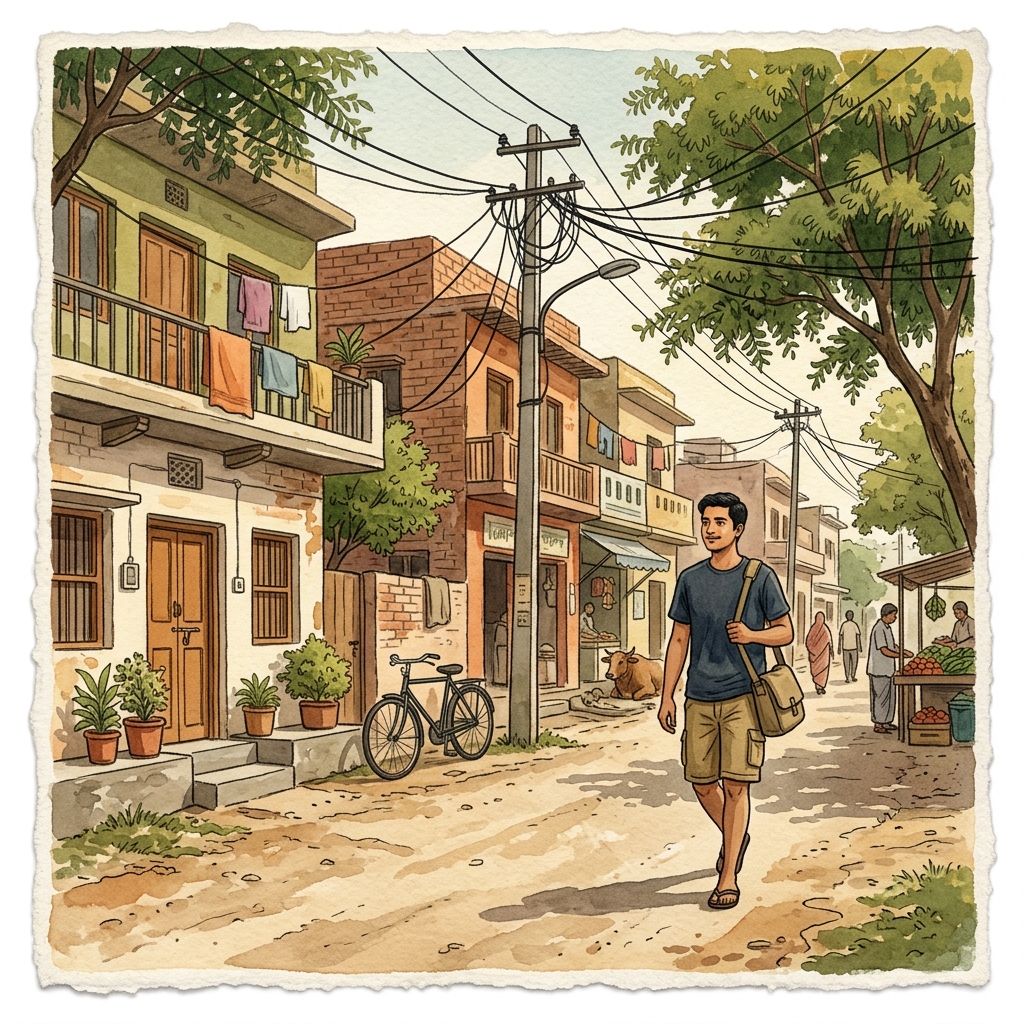
For a very long time in India, ambition had an address change attached to it.
If you wanted better opportunities, you left.
You left your town. Your family. Your language. Your food. Your festivals. Your room with the slightly broken cupboard your parents still refuse to replace because “abhi toh theek hai.”
That was the deal.
The good jobs existed somewhere else.
Bangalore. Pune. Hyderabad. Gurgaon. Mumbai.
Home was where you came from. The city was where your career happened.
And for years, families accepted this almost emotionally as a tax on success.
The brightest kid leaves.
Gets a job.
Visits twice a year.
Starts speaking slightly differently after three years.
Eventually sends money home and becomes “settled.”
That was the normal Indian success story for an entire generation.
Then remote work arrived and quietly broke the deal.
Suddenly, somebody earning a Bangalore salary was sitting at home in shorts attending meetings while their mother shouted:
“Chai rakh diye table pe.”
And economically, something very strange started happening.
The salary remained urban.
The expenses became local.
No ridiculous rent.
No daily commute.
No ₹400 coffees consumed out of emotional exhaustion.
No paying half your income to live beside traffic and sadness.
Just salary coming in while life continued at hometown costs.
And once that math started working, families noticed very quickly.
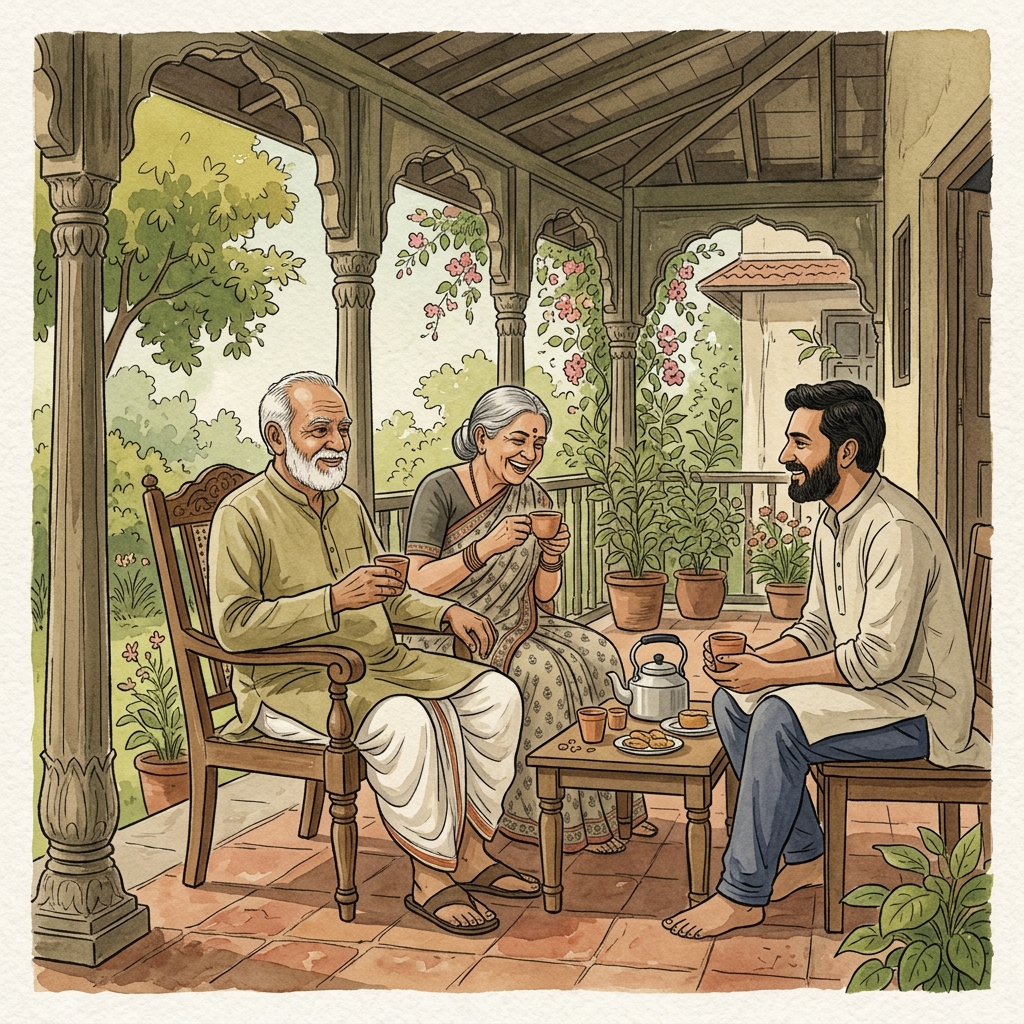
The household changed.
Home loans closed faster.
Savings grew faster.
Parents aged differently when their children stayed nearby.
Young professionals stopped feeling forced to choose between career growth and proximity to family.
But the interesting part is what happened beyond the salary.
Remote work brought back people who would normally have disappeared into metro cities permanently.
And when educated, well-paid people stay somewhere physically, the place itself changes.
Suddenly there is demand for:
- Better internet
- Better cafés
- Better gyms
- Better food delivery
- Better housing
- Better everything
A person attending international Zoom calls from their hometown still wants decent coffee and stable WiFi.
That demand changes local economies slowly.
And honestly, there is also a quieter emotional shift nobody talks about enough.
Parents started understanding modern work differently.
Earlier, “office job” meant leaving home physically every morning. Now someone is sitting in the next room speaking to clients in America while eating homemade lunch between meetings.
The modern economy stopped feeling so far away.
At the same time, the young professional also stopped becoming emotionally disconnected from home at the same speed older generations often did.
Living near family changes people.
You continue seeing ordinary life closely. Parents aging. Local businesses struggling. Relatives navigating reality outside startup LinkedIn optimism.
That perspective matters.
Of course, remote work created its own chaos too.
Indian parents still do not fully believe sitting with headphones equals “real work.”
Every remote employee has attended at least one serious office meeting while somebody in the background asked:
“Beta cylinder wala ko paise de diye?”
But overall, something fundamental shifted.
For the first time in middle-class India, many people no longer had to leave home to access opportunity.
And that may quietly become one of the biggest economic changes this country experiences over the next twenty years.