Every few weeks, the internet discovers a new way to quit working.
Retire by 40. Passive income. Escape the rat race. Save aggressively, invest smartly, move to a quiet beach town, drink expensive coffee on weekday mornings while your money compounds in the background. The entire aspiration feels very polished. Almost frictionless. Like wealth is simply waiting for the smartest people to pick the right stock, the right fund, the right strategy, and quietly unlock freedom before everyone else.
And honestly, for a certain kind of urban Indian professional, it makes complete sense. Modern work culture can exhaust people in ways earlier generations did not experience. Constant deadlines. Endless notifications. Office politics. Performance reviews. Managers scheduling calls at 9:30 PM like human beings do not require souls outside work. So naturally, a lot of people begin dreaming about financial freedom early in life. The dream becomes simple. Earn enough money so work becomes optional instead of compulsory.
But then you look at traditional Indian business families and realize the psychology around money is completely different.
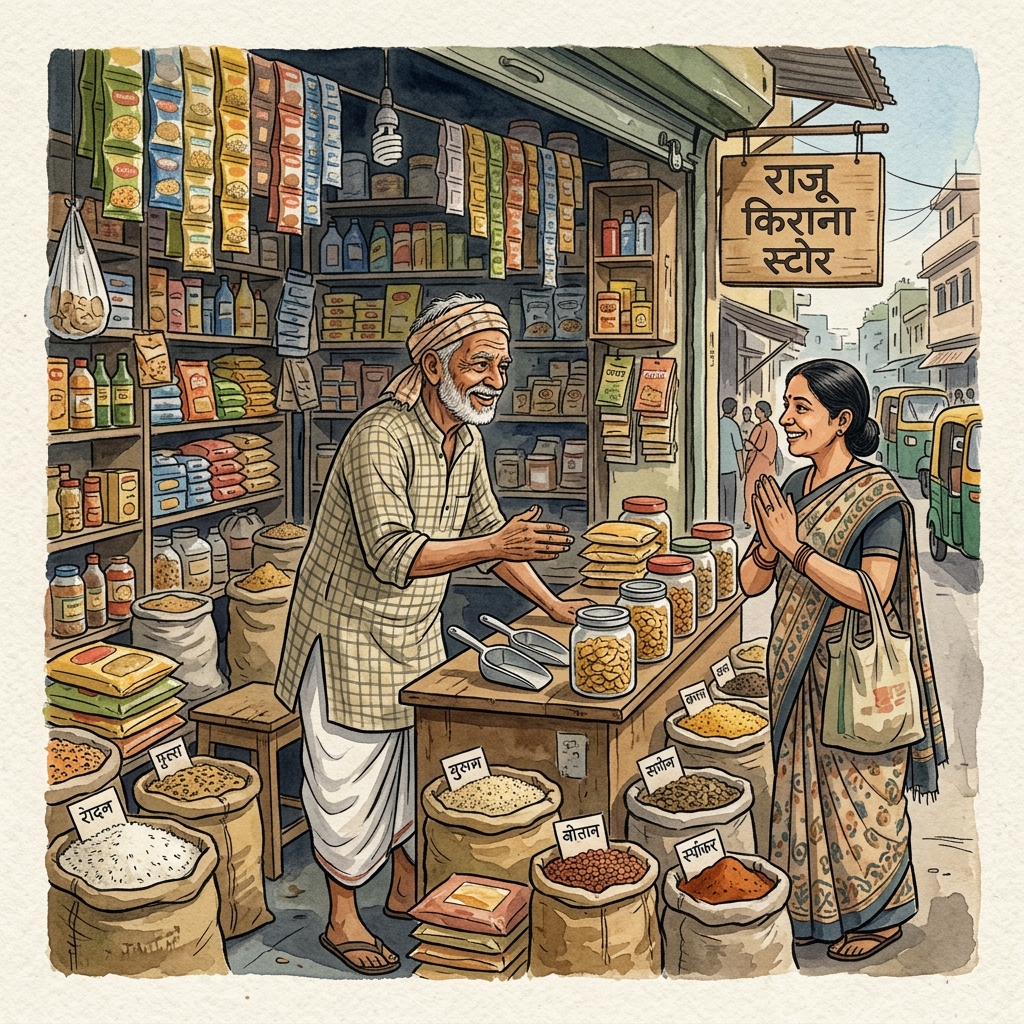
Talk to a businessman in Nagpur running a wholesale electrical shop started by his father in 1989. Or a textile trader in Surat. Or someone in Bhubaneswar who spent twenty years building a distribution network from scratch. These people do not dream about escaping work. In many cases, work is the thing that gave them dignity in the first place.
The business is not just income. It is identity. Reputation. Leverage. Social standing. Family security. It is the reason the household survived difficult years. It is why their children studied in English-medium schools. It is why relatives treat them differently now compared to fifteen years ago. You cannot simply “retire” from something that fundamentally shaped your existence. Modern corporate life often wants you to escape work. Traditional business life often wants you to build your identity through it.
And that is where a lot of online finance culture completely misunderstands traditional India. The goal here is usually not personal freedom. The goal is continuity.
A corporate employee in a tech hub might ask, “How much money do I need before I can stop working forever?” A traditional business owner asks, “How do I build something my children never have to recover from?” Those are entirely different emotional frameworks.
Which is also why the money behaves differently.
Urban investing culture often glorifies aggression. Higher risk. Faster compounding. Optimizing returns. portfolios like fantasy cricket teams. Shift allocations. Chase trends. Exit sectors. Enter new ones. There is confidence in abstraction because most of their wealth already exists digitally. Numbers on a screen feel real enough.
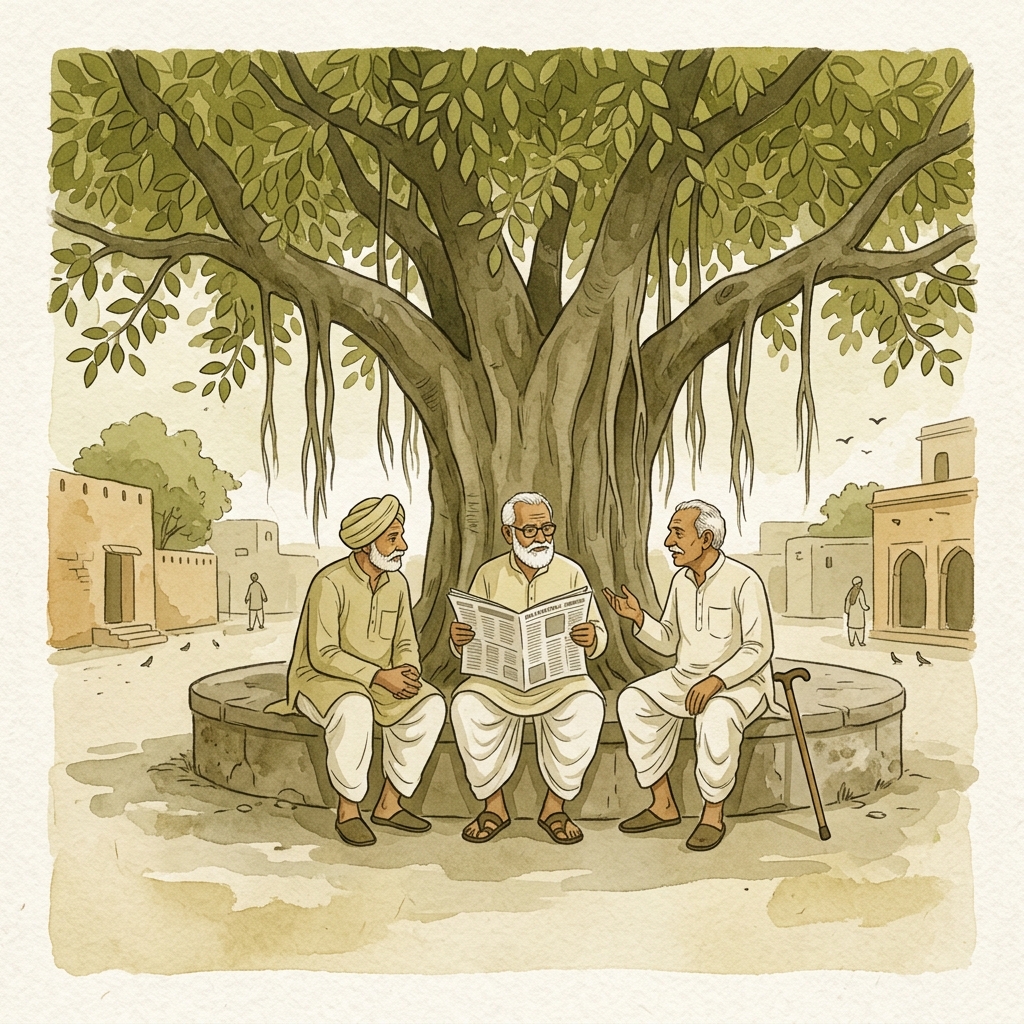
But traditional wealth still prefers physical proof.
A fixed deposit receipt feels safer than a finance app dashboard. Gold locked inside a cupboard feels safer than digital gold sitting somewhere inside a startup interface. And land. Land sits above everything. Because land feels permanent in a country where very little else does.
A family might not fully understand market cycles or startup valuations or international monetary policy. But they understand roads. They understand migration. They understand which side of the city is developing. They understand that if a new highway comes up near their plot, the value of that land can quietly multiply over ten years while the rest of the world keeps panicking every quarter.
And unlike stocks, land does not scream at you every day. It just exists. Quietly. Patiently. Like an old man who has already seen enough to know panic is temporary.
There is also another layer people rarely talk about. Most families still carry inherited memory of instability. Economic instability. Social instability. Institutional instability. They remember businesses shutting down overnight. Medical emergencies wiping out savings. Loans destroying households. They remember periods when survival itself felt fragile.
So wealth became less about optimization and more about insulation.
That changes your relationship with risk forever. You stop asking, “What gives maximum return?” You start asking, “What survives bad times?”
And honestly, once you understand that, a lot of so-called “conservative” financial behavior suddenly stops looking irrational.
The man buying his third plot on the outskirts of town may never become a finance influencer. He may never explain compounding on a podcast. He may not even know the jargon people on LinkedIn throw around daily.
But twenty years later, his family owns six shops, two buildings, and enough leverage that nobody in the next generation has to beg a corporate manager for survival.
Maybe that is the real difference. Modern corporate careers often optimize for freedom from work. Traditional wealth often optimizes for continuity that survives even the person who created it. A different relationship with wealth. A different emotional framework. A different lens entirely.
That is what these stories are trying to explore. The emotional logic behind how traditional India earns, saves, spends, risks, protects, and thinks about money. If you have seen this world up close too, write about it. There are far more stories here than the internet currently understands.